Electrolytes and rehydration: how to replace what your horse sweats out
A horse can lose up to 40 gallons [12 L] of sweat an hour during intense work. We explain why water and electrolytes need to be supplemented at the same time, how to choose an electrolyte supplement, and how much salt a horse needs daily.
During intense work, a horse can lose up to 40 gallons [12 L] of sweat an hour, or about 4 percent of its total body water. The amount of sweat depends on a number of factors – the length and intensity of work, the temperature of the environment, the horse's condition, and how accustomed it is to the heat. Horses sweat an average of about 33 percent more at work than humans.
Horse sweat is fundamentally different from human sweat. It's hypertensive, which means it contains a higher concentration of electrolytes than blood. Horse sweat mainly loses sodium (Na), chlorides (Cl) and potassium (K), but also calcium (Ca) and magnesium (Mg) to a lesser extent.
What electrolytes are for
Electrolytes are minerals that carry an electric charge when dissolved in water. They are essential for maintaining fluid balance in the body and play a key role in the functioning of the nervous system, muscles and digestion. When their levels fluctuate, the body just has a hard time keeping fluids in and around cells. This can lead to dehydration of cells and, in extreme cases, cell death. The result is muscle weakness, cramps, poor coordination, fatigue, longer recovery and ultimately lower performance.
Rehydration: fluids and electrolytes
Po pocení je nutné doplnit tekutiny i elektrolyty. Pokud koni dáte elektrolyty bez dostatku vody, můžete dehydrataci zhoršit – elektrolyty jsou totiž hygroskopické, takže si „berou“ vodu z okolních tkání, aby se naředily. Problematické je ale i opačné řešení: když po silném pocení nabídnete jen čistou vodu bez elektrolytů, naředí se hladina sodíku v krvi. Tím se oslabí pocit žízně a ledviny začnou vylučovat nadbytečné tekutiny, i když je kůň stále dehydratovaný. Nejúčinnější je proto vyvážený elektrolytový roztok, jehož koncentrace odpovídá přirozeným tělním tekutinám (tzv. izotonický roztok).
How to make a horse drink
Unlike humans, a horse's thirst does not increase in proportion to how much it sweats. The electrolytes may promote thirst, but if the horse does not like the solution, he may reject it. Sometimes it's enough to change the water source on the road or at a race and the horse doesn't want to drink.
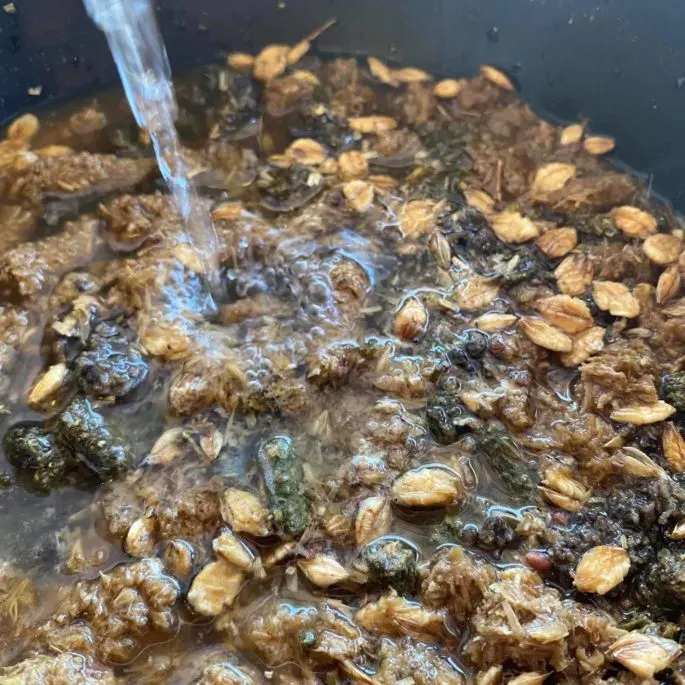
To encourage your horse to drink, we recommend a tasty flavoring or porridge such as RE-COVERY MASH® that is poured with plenty of water. The encased banana flavor in RE-COVERY MASH® will entice even the most picky horses to drink and help mask the taste of the electrolyte supplement. For horses that generally drink little, you can use RE-COVERY MASH® daily to promote hydration.
How to Choose an Electrolyte Supplement
When choosing a supplement, make sure that the main ingredients (listed first on the label) are electrolytes and not sugar. Dextrose is most commonly found in electrolytes, but you can also encounter sucrose or glucose. A Kentucky Equine Research study found that adding dextrose or starch did not improve electrolyte absorption (Pagan et al., 2012). Another study (Monreal et al.) showed that horse electrolytes alone rehydrated better than glucose electrolytes. Cl, Na, K and Mg should not be missing from your supplement. Calcium is excreted to a much lesser extent than other electrolytes and is usually lost in greater quantities only by prolonged heat work.
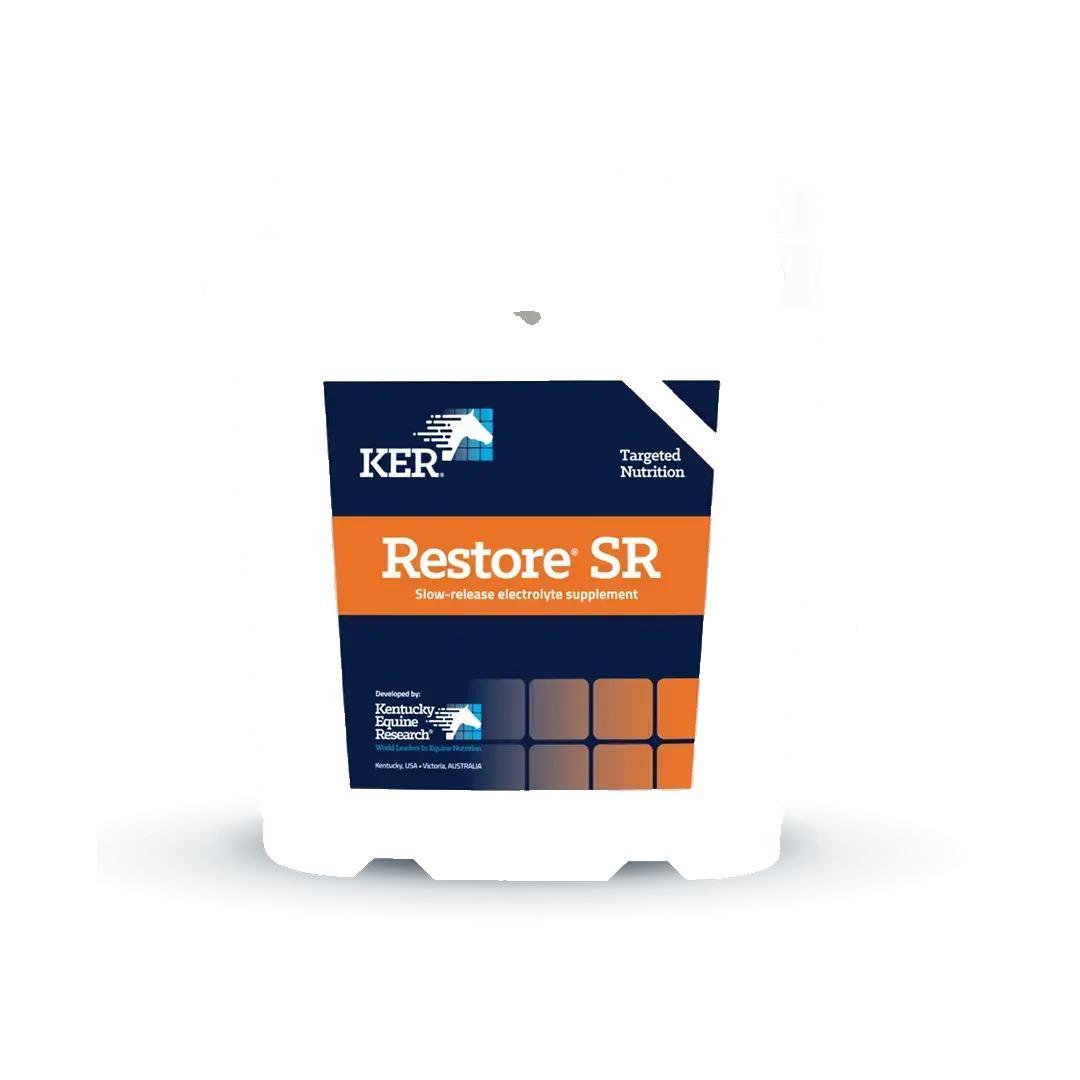
It's best to replenish electrolytes gradually. A sharp rise in their blood levels increases their excretion, so that the body flushes out the electrolytes it has just taken. Therefore, Kentucky Equine Research developed Restore SR – an electrolyte supplement with a patented gradual release mechanism that allows sodium to be released slowly into the digestive tract and absorbed over time.
Did you know that? Electrolytes cannot be pre-stocked because the body can't store them. But if you give horses a maintenance dose before the race, you make sure they don't start running short.
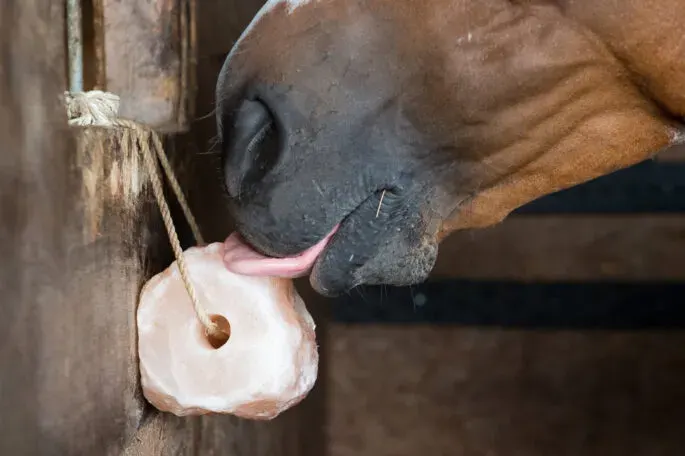
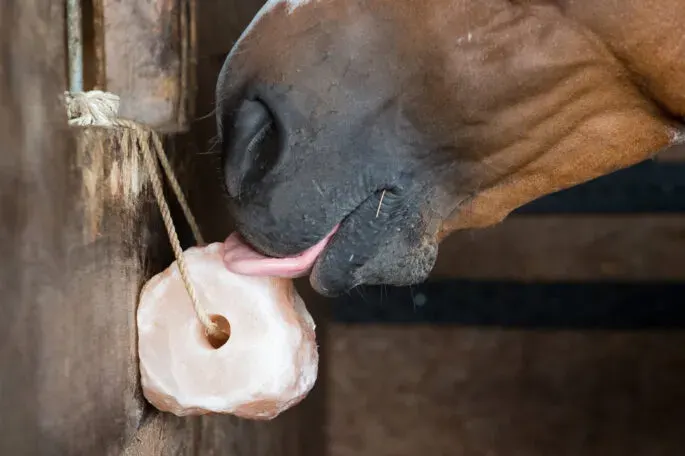
Even if the horse isn't sweating, it still has a maintenance need for electrolytes that needs to be met. Even a fully fortified food, along with bulky foods, often does not contain enough salt. For an average horse weighing 500 kg, it is recommended to add 30 g of salt per day.
Sources
Monreal, L., Garzón, N., Espada, Y., Ruíz‐Gopegui, R. and Homedes, J., 1999. Electrolyte vs. glucose‐electrolyte isotonic solutions for oral rehydration therapy in horses. Equine Veterinary Journal, 31(S30), pp.425-429.
Pagan, J.D., B.M. You know what I mean? This is Waldridge, J. Lange, this is C.G. Brown-Douglas, and P.J. It's called Huntington. It's 2012. Effect of Dextrose Supplementation on Electrolyte and Water Absorption in Resting Thoroughbreds. It's not like I'm going to be able to do it.