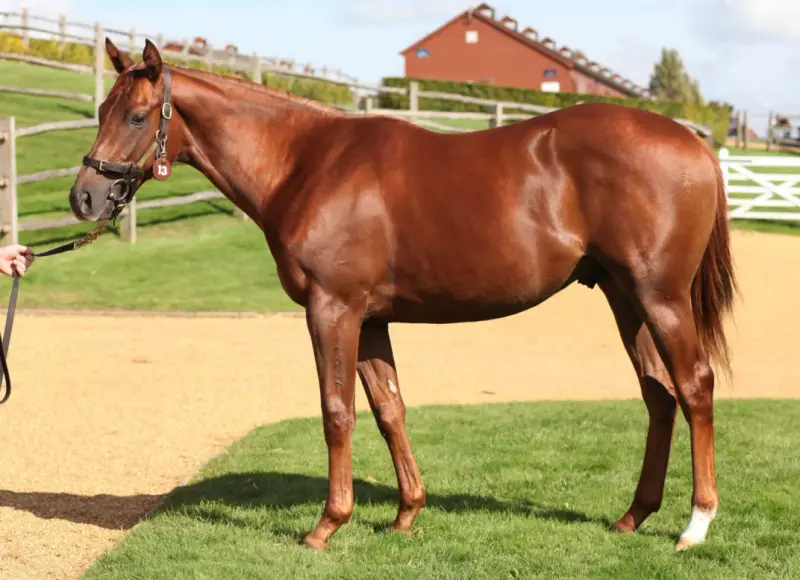
Optimal body condition
Introduction: Why body condition matters Keeping your horse in optimal body condition is key to its health, performance and a contented life. We often hear the question: “What is the ideal body condition score for my horse?” The answer depends on a number of factors – type of work, breed or health. One thing is clear, though: we don't want horses to be too fat or too thin! Excess weight raises the risk of metabolic disease and laminitis, and strains the heart and musculoskeletal system. Undernourishment, on the other hand, limits...

Introduction: Why Fitness Is Important
Udržení optimální tělesné kondice vašeho koně je klíčem k jeho zdraví, výkonu a spokojenému životu. Často slýcháme otázku: „Jaké je ideální skóre tělesné kondice pro mého koně?“ Odpověď závisí na řadě faktorů – typu práce, plemeni nebo zdravotním stavu. Jedno je ale jasné: nechceme, aby byli koně příliš tlustí ani příliš hubení! Přílišná váha zvyšuje riziko metabolických onemocnění, laminitidy a přetěžuje srdce i pohybový aparát. Naopak podvýživa omezuje zásoby energie, způsobuje rychlou únavu a prodlužuje regeneraci po tréninku. Saracen Horse Feeds vám pomůže najít rovnováhu s krmivy šitými na míru potřebám vašeho koně.
What does optimal physical conditioning mean?
Optimal fitness is about health and function, not just appearance. A horse in ideal condition has a balanced muscle mass, a healthy layer of fat, and enough energy for its activities without being overloaded or malnourished. Proper weight protects against problems such as joint problems, laminitis, or a weakened immune system. Every horse is different – A sporting horse needs more muscle and energy, while a resting horse requires lighter diet. The aim is generally to keep the Body Condition Scoring (BCS) around 5 or 5.5, although some horses may be fine at 4.5 or 6 – If you are unsure, do not hesitate to consult a specialist.
How to Assess the Condition of Your Horse
Body Condition Scoring (BCS) is used to assess fitness, which measures fat on a scale of 1 (extremely thin) to 9 (extremely obese). Ideally, a score of about 5. The ribs should be felt under light pressure but invisible, the neck and back firm, no excess fat. Regular monitoring and weighing will help to keep your condition under control. Here's an overview of each BCS point:
- The poor: The horse is extremely slender; the spine, ribs, tail roots, hip tubers (tuber coxae) and sternum (tuber ischii) are distinctly protruding; the bony structure of the tibia, shoulders, and neck is clearly visible; fat is not felt at all.
- Very lean: The horse is slender; the spinal ridges have a thin layer of fat, the transverse ridges of the lumbar vertebrae are rounded; the ribs, tail root, hips and sit bones are still prominent; the yeh, shoulders and neck are faintly visible.
- Weight: Fat covers roughly half of the spinal cord's thorns, transverse ridges are not felt; ribs are slightly covered in fat but readily visible; tail roots protrude but the vertebrae are not seen; hips are rounded but conspicuous; tip, shoulders and neck are highlighted.
- Slightly lean: The back has a light ridge; the ribs are faintly visible but palpable; the tail root protrudes in conformation, fat is tangible around it; the hips are not visible; the tibia, shoulders and neck are not obviously thin.
- Balanced: The back is straight (no ridges or ridges); the ribs are not visible but easy to feel; fat around the tail begins to soften; the tip is rounded, and the shoulders and neck flow smoothly into the body.
- Slightly underlying: The back may have a slight sprain; the fat on the ribs is soft; the fat around the base of the tail is fine; fat begins to accumulate along the faucet, behind the shoulders and on the neck.
- Subcutaneous: The back may have a slit; the ribs are scented but there is noticeable fat between them; the fat around the tail root is soft; fat is deposited along the faucet, behind the shoulders and on the neck.
- Fat: The back is slender; the ribs are hard to smell; the fat around the tail is very soft; the tip and shoulders are filled with fat; the neck is obviously stronger; fat also accumulates on the inside of the thigh.
- Extremely thick: The back has a distinct ridge; the fat is uneven and lumpy; the ribs are not felt; the tail, tailbone, shoulders and neck are covered with a massive layer of fat.
Factors affecting fitness
Several factors affect the horse's condition: type of work, breed, health, metabolism and availability of pasture. For example, horses with a fast metabolism (hard keepers) have difficulty maintaining weight while horses with a slower metabolism (easy keepers) gain weight easily. Seasonal changes, such as limited grazing in winter or an overabundance of grass in spring, also play a role. Saracen feed will help you to balance these effects and adapt the diet to match your horse's current condition.
Solution for maintaining optimal condition
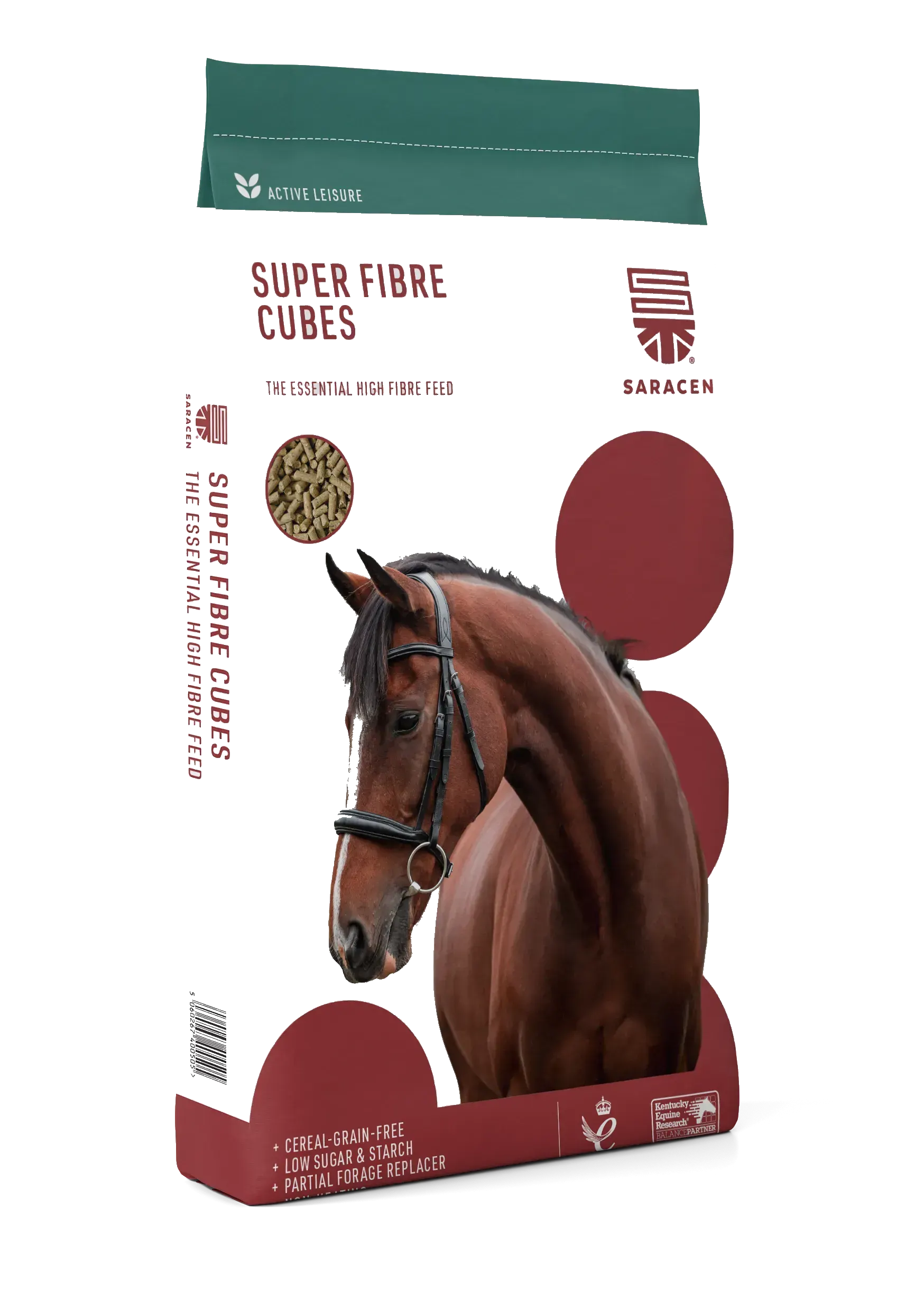
- For overweight horses: If your horse gains weight easily, go for a lower energy and higher fiber feed such as Saracen Horse Feeds with Super Fibres. Reduce heavy grazing and increase exercise – Walking or lounging will help you get back in shape at 5'5.5".
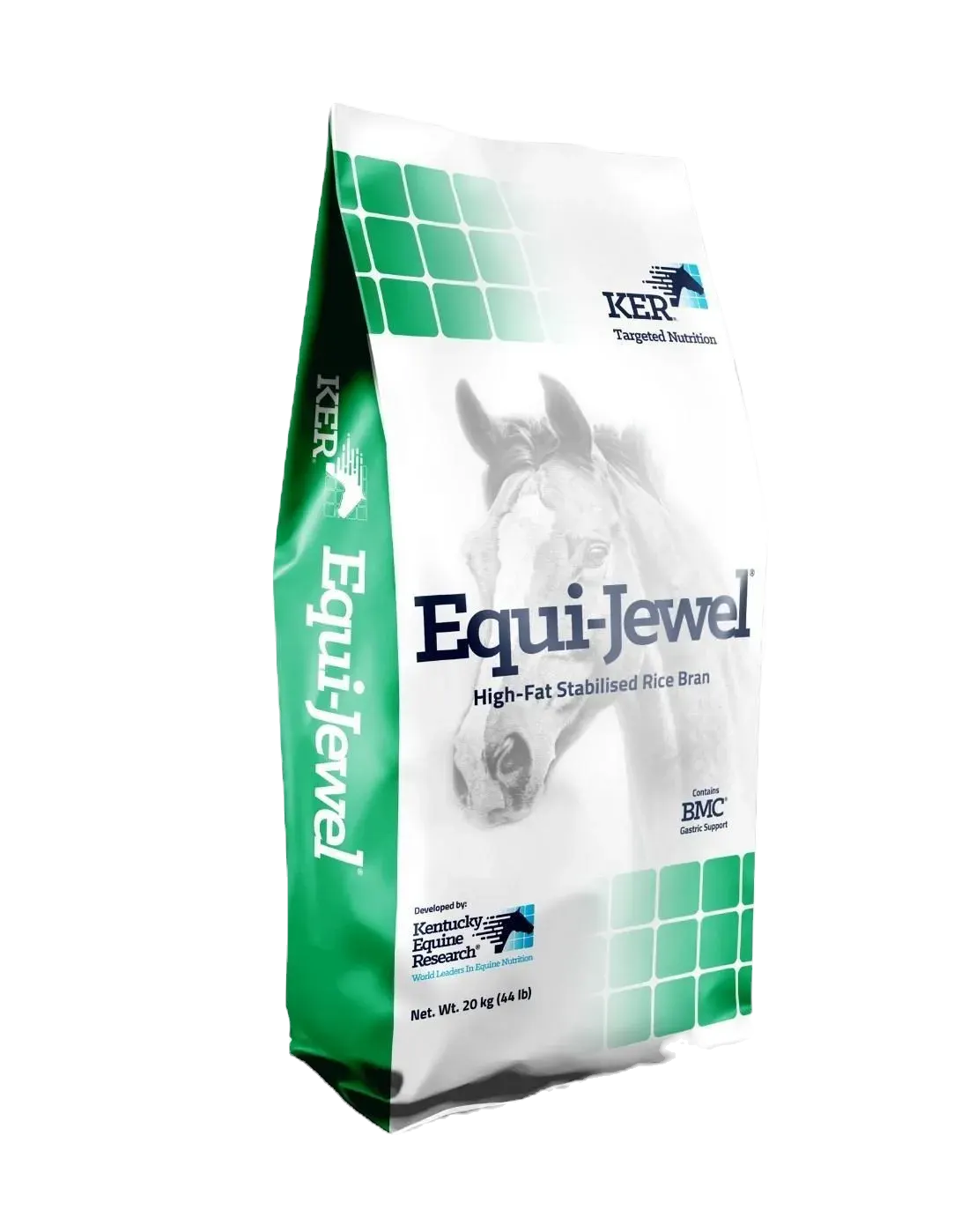
- For underweight horses: Ideal for horses that need to gain weight are feed such as Equi-Jewel®, which provides "cool" energy without excess starch. Add high-quality hay and gradually increase the dosage.
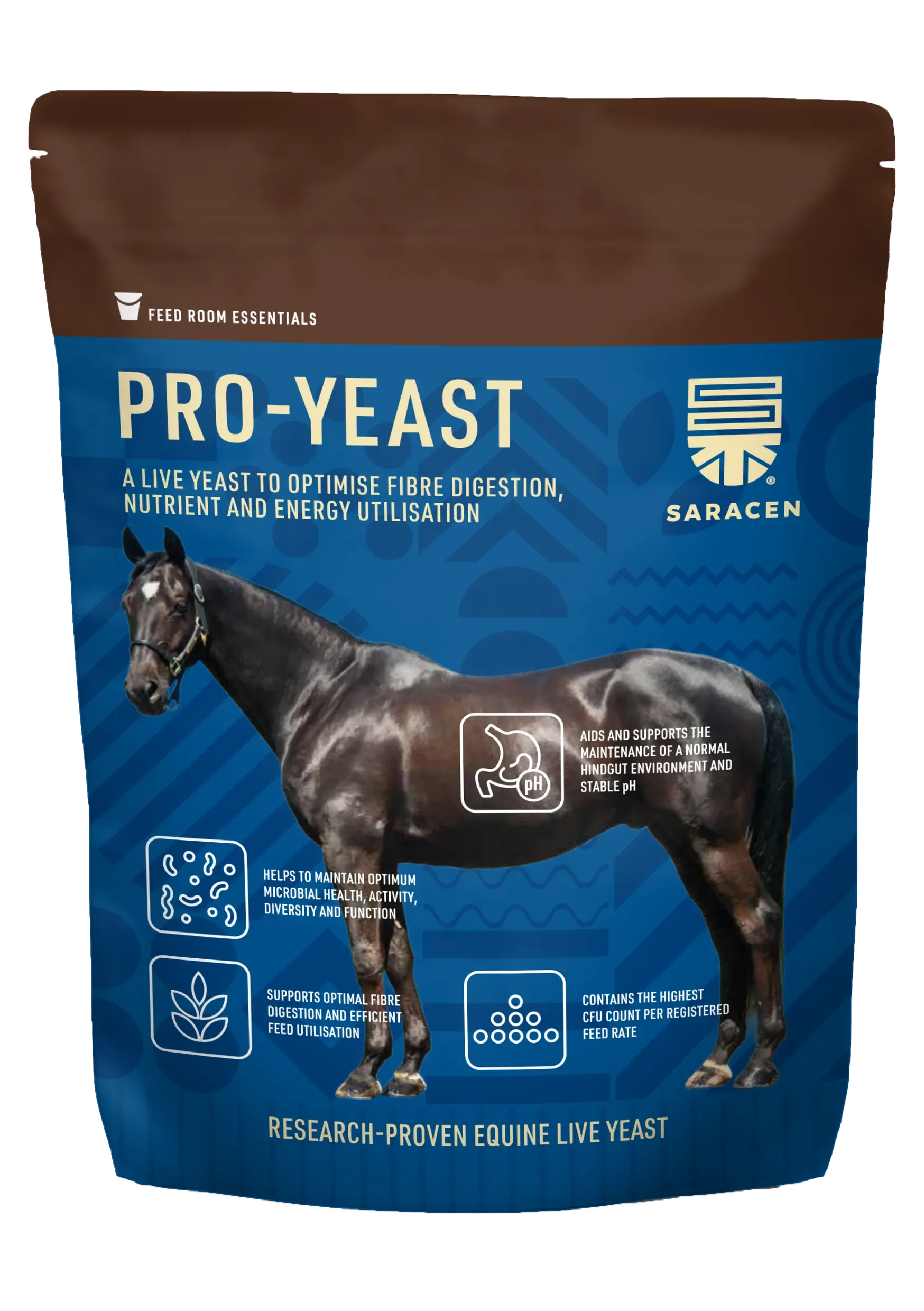
- A balanced diet: A combination of hay, feed and supplements like Pro Yeast for healthy digestion is key. Monitor the BCS and adjust feeding accordingly.
Practical Tips for Owners
- Check your calories: check your calories once a month and monitor changes to keep track of your fitness.
- Consultation with experts: If you are not sure how to evaluate BCS or what score is ideal, contact the Saracen team – they will be happy to advise you via online form or telephone.
- Enough water: Ensure constant access to fresh water, as dehydration can complicate weight maintenance.
- Gradual changes: Introduce dietary adjustments slowly (7-10 days) to avoid digestive problems.
Why Saracen Horse Feeds?
Our feed, developed with Kentucky Equine Research (KER), is designed for horse health and performance. Whether your horse needs to lose weight, gain weight or maintain a BCS 5 – 5.5, we have solutions – from Super Fibres to Equi-Jewel®. With us, you have the assurance of science-based nutrition.