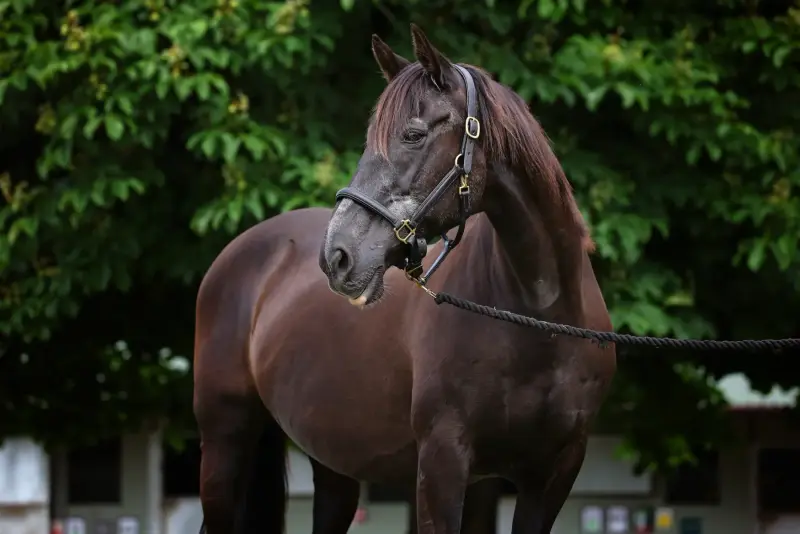
Feeding the older horse
Horses are living longer than before. How to tell if their nutritional needs are changing, and how to feed a senior – from fiber to high-quality protein to metabolic disease.
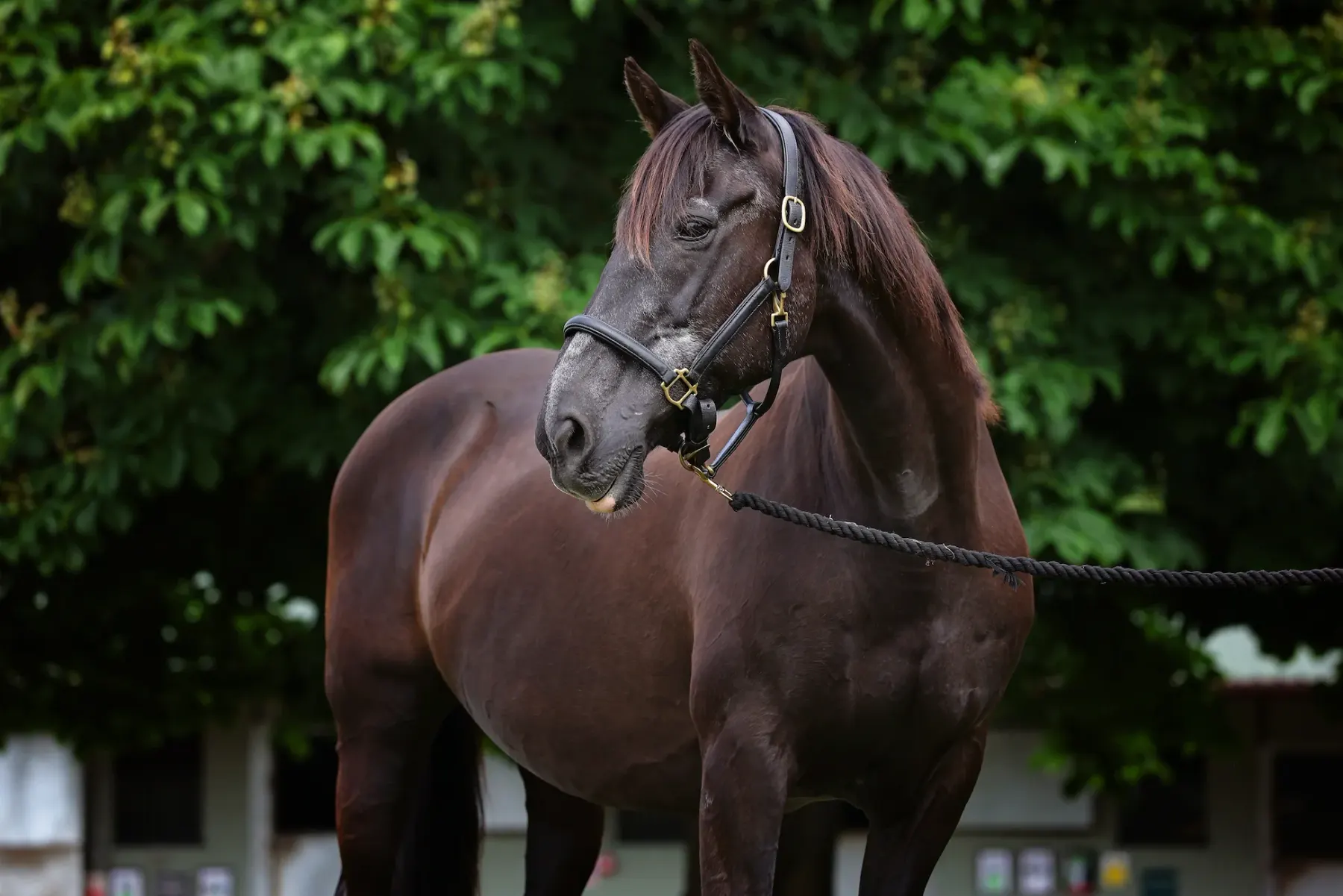
Horses are living longer than ever before, and feeding senior horses is becoming an increasingly important part of care. In the UK, horses aged 15 and over now make up about 40% of the horse population, compared with an estimated 20 to 25% just over twenty years ago. With proper nutrition and care, many older horses enjoy an excellent quality of life – whether racing, riding, or enjoying well-deserved rest.
Is my horse senior?
Age is only part of the picture. A healthy 22-year-old horse may need only minimal dietary changes, while a 16-year-old horse with dental disease or metabolic disorders may benefit from additional nutritional support.
Therefore, when choosing food, look beyond age to the horse's overall condition.
- difficulty maintaining weight or muscle
- tooth problems or the loss of half-chewed food from your mouth (called chipping).
- decreased appetite
- dull coat
- lower performance or endurance
- stiffness or changes in movement
- diagnosed with a disease such as PPID (Cushing's disease) or equine metabolic syndrome (EMS)
Fibre remains the foundation
Regardless of age, fibre should form the basis of every horse's diet. For healthy digestion and normal intestinal function, a daily intake of at least 1.5% live weight (dry) bulk feed is recommended (NRC, 2007).
However, the ability to chew well often decreases with age. Worn-out or missing teeth, gum disease, and poor chewing result in larger pieces of bulky food that are not digested properly entering the digestive tract and less saliva being produced when eaten. Saliva helps neutralize stomach acid, so chewing less can reduce the efficiency of fiber digestion and increase the risk of stomach irritation.
If you notice yawning, unexplained weight loss, prolonged chewing, or decreased appetite, have your horse's teeth examined as one of the first steps.
Highly digestible foods that are easy to chew will help maintain energy intake without unnecessarily straining the digestion. A soaked mash, such as Veteran Mash®, will provide an easily acceptable amount of fiber along with probiotic live yeast to promote fiber digestion.
When Bulky Foods Are Hard to Eat
Bulky feed should always be preferred, but some older horses simply can't eat long enough hay to maintain their weight.
Špatně rozžvýkané objemné krmivo také zvyšuje riziko zácpové kolika, protože větší částice vlákniny postupují trávicím traktem pomaleji. Naštěstí existuje řada náhražek objemného krmiva, které jsou v případě potřeby výbornou alternativou.
Highly digestible sources of fiber, such as beet steaks, can be soaked in a soft porridge. They provide an easily fermented fiber that supports the gut microbiome, while also contributing to your daily water intake. Increased water intake from soaked feed is particularly beneficial forai older horses – it promotes hydration and reduces the risk of constipation. In addition, a recent study by Kentucky Equine Research showed that beet steaks increase chewing time compared to fibre granules and thus saliva production and its natural neutralizing effect (Fowler et al., 2025). Therefore, beet steaks are a useful part of the bulk feed replacement ration.
In order to provide the digestive tract with different sources of fibre, you can partially replace bulky feed by feeding soaked Saracen Super Fibre Cubes® granules which can replace up to 50% of a serving of long hay where appropriate. They are high in digestible fiber, low in starch and sugar, and fully fortified with vitamins, minerals and essential amino acids, making them a practical choice for older horses who have trouble eating bulky feed.
Muscle support and conditioning
Jednou z nejnápadnějších změn u stárnoucích koní je postupný úbytek svalů, zejména na hřbetní linii. Tento věkem podmíněný úbytek svalové hmoty, tzv. sarkopenie, vzniká zčásti proto, že starší koně hůře využívají bílkoviny z krmiva, ale může souviset i s menší zátěží.
The total protein requirement changes little with age, but much more important is its quality. A diet rich in highly digestible proteins and abundant essential amino acids, especially lysine, methionine and threonine, promotes muscle maintenance and repair. Along with adequate exercise, sufficient energy intake, and high-quality protein, it helps older horses maintain strength, dorsal line, and general fitness.
Regular assessment of physical fitness is also an important tool. Both obesity and underweight increase health risks. Overweight puts more strain on joints and hooves, increasing the risk of osteoarthritis and hoof spasm, while overweight horses have fewer energy reserves and less muscle maintenance. If you monitor your fitness throughout the year, you'll see gradual changes before they become a problem.
Metabolic disorders
Older horses are more likely to develop endocrine disorders such as pars intermedia pituitary dysfunction (PPID, Cushing' s disease) and equine metabolic syndrome (EMS). PPID is estimated to affect about one in five horses over 15 years, making it one of the most common age-related diseases. These diseases often disrupt insulin regulation and increase the risk of hoof seizures. Nutrition therefore plays an important role alongside veterinary treatment.
A feed dose based on bulk feeding and highly digestible feeds low in starch and sugar reduces the post-feeding glycaemic response while providing enough nutrients to maintain fitness. For horses that need extra vitamins and minerals without unnecessary calories, a low-calorie balancer provides concentrated nutrients with a low intake of starch and sugar.
The Saracen Veteran Balancer® was developed specifically for these horses. Instead of traditional molasses, it uses a unique vegetable wrapper that makes it very tasty and low in glycemic index.
To keep the older horses well
Aging doesn't have to mean slowing down. Advances in nutrition, veterinary care, and breeding have kept many older horses active, riding, and racing well into their twenties. Feed such as Veteran Mix® provides a slow release of energy that the horse does not need while providing high-quality protein and all the key vitamins and minerals for health and longevity.
The key is to feed the horse in front of you, not the year he was born on his ID. By giving preference to fiber, providing highly digestible sources of energy and enough high-quality protein, taking care of your teeth, and treating any illness that may develop, older horses can enjoy good health for many years to come.
Whether your horse is still racing or enjoying well-deserved rest, regular fitness checks, regular dental care, and a balanced, tailored diet will help him stay healthy, content, and active into old age.
Sources
Fowler, A.L., C. Guinard, N.A. Imbeault, V.L. Erwin, I.N. Grayston, P. Sweetman, M. Winchester, and J.D. Pagan. 2025. Chewing requirements and glycemic response of fibrous feedstuffs. Journal of Equine Veterinary Science 148:105541.
The National Research Council (2007). Nutrient requirements of horses (6th Revised Edition). This is National Academies Press.