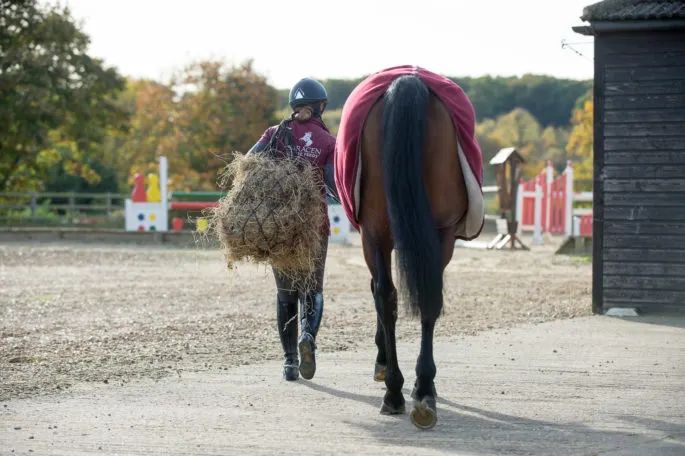
Feeding questions to ask before bringing a new horse home
Bringing a new horse home is a big event, but also a challenge. Every horse arrives with its own habits, health history and needs that affect its diet. For the transition to go smoothly and the horse to settle quickly, it's important to ask the key questions about its feeding in advance. This article will help you work out what to focus on to give your new companion a healthy start. What was the horse being fed? The first step is to find out what the horse ate with its previous owner – what type of feed (cubes,...

Přivést si domů nového koně je velká událost, ale také výzva. Každý kůň přichází s vlastními návyky, zdravotní minulostí a potřebami, které ovlivňují jeho stravu. Aby přechod proběhl hladce a kůň se rychle adaptoval, je důležité si předem položit klíčové otázky o jeho krmení. Tento článek vám pomůže zjistit, na co se zaměřit, abyste svému novému společníkovi zajistili zdravý start.
What kind of food did the horse get?
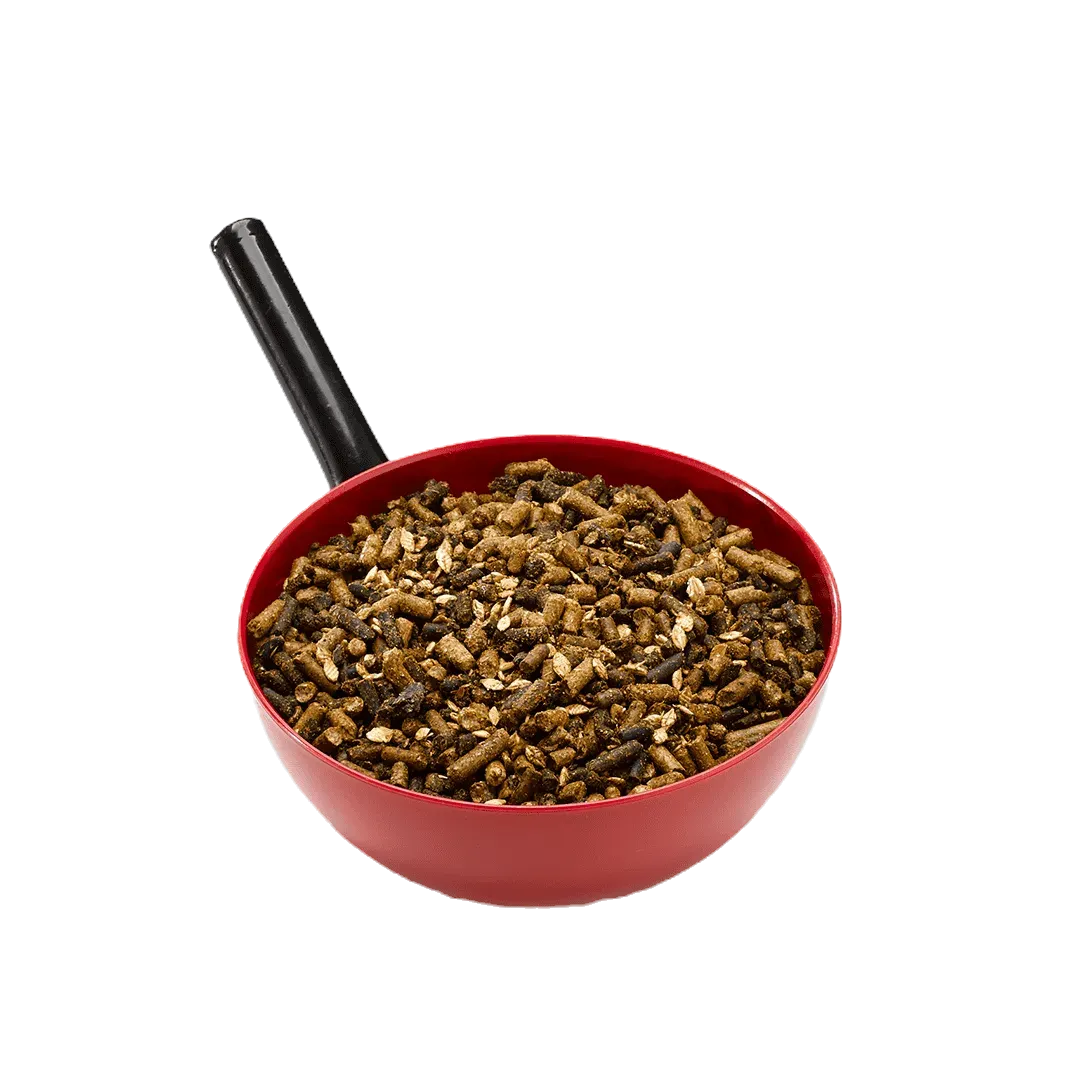
The first step is to find out what the horse ate from its previous owner – what type of food (granules, muesli, porridge), how much and how often. How much hay or pasture did he have? This information is vital because sudden changes in diet can lead to digestive problems. If you are planning a change in diet, introduce it gradually over 7 to 10 days so that your child's digestive system adapts.
Does the horse have any specific health requirements?
Each horse may have health restrictions that affect its feeding. Ask about his medical history: Is he overweight, has stomach ulcers, laminitis, or is he prone to malnutrition? Does he need a diet low in starch and sugar, or does he need more energy to gain weight? Knowing these details will help you to choose food that promotes its health and prevents complications.

What's his workload?
The horse's activity level determines its energy needs. Will he be moving lightly in the pasture, or is he preparing for intensive training? Resting horses need fewer calories and more fiber, while working horses require a high-energy diet. Adapt your feeding to his current and future lifestyle to maintain optimal fitness.
What's the condition of his teeth?
The teeth affect how efficiently the horse processes food. If he has dental problems or chews badly, hard hay and granules can be a problem. Find out when he had his last dental check-up, and if possible, consider foods that are easier to process – such as porridge or a softer mixture. Good dental health is the key to nutrient utilization.
How does it cope with change?
The horse's reaction to the new environment and food varies. Some can cope with the transition without difficulty, while others may be nervous and lose their appetite. Ask the previous owner how the horse has reacted to changes in the past. If he is sensitive, choose a feed with less starch to help keep him well during the adaptation.
What to do before arrival?
Prepare a supply of his current feed and hay for the first few weeks so that the transition is not too rapid. Make sure you have plenty of water, and check the pasture for poisonous plants. Arrange for a veterinary examination to reveal any hidden problems. With these steps, the horse will be ready for a new home.
The right start with Saracen support
The arrival of a new horse is an opportunity to set up proper care from the start. By understanding their nutritional needs, you can ensure their health and well-being for years to come. Saracen Horse Feeds products can help you make this transition – for example, Re-Leve® Mix is ideal for horses with sensitive digestion due to its low starch content, Veteran Mash will support older horses with bad teeth and Competition Fit Balancer will provide energy to active individuals. Contact us and find out how we can support your new horse!